PSiRA CCTV Course: Requirements, Fees, Duration & Registration Guide


 July 29, 2026 7:20 am
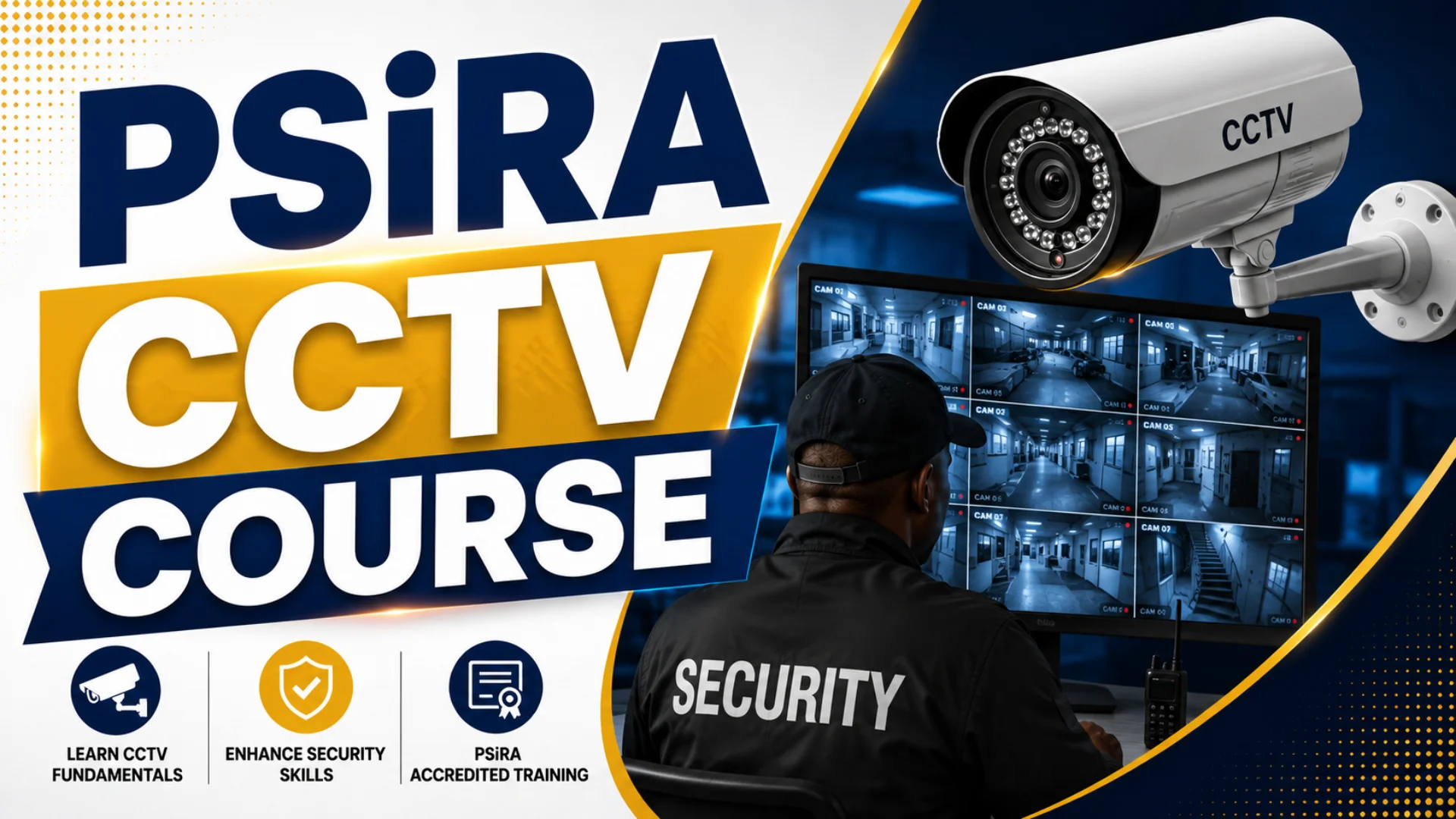
If you’re planning to work in a CCTV control room or surveillance role in South Africa, completing a PSiRA CCTV course is an important step toward meeting industry expectations. The right training helps you understand camera monitoring, incident reporting, access control, and legal responsibilities while improving your employment prospects.
In this guide, you’ll learn who should take the course, entry requirements, training subjects, fees, duration, certification, and how to choose a reputable PSiRA-accredited training provider.
What is the PSiRA CCTV Course?
The PSiRA CCTV Course is a certified training program designed for security officers who want to develop skills in CCTV surveillance and control room operations. The course provides practical knowledge on operating security camera systems, monitoring live video footage, responding to security incidents, and following industry procedures. It is regulated by the Private Security Industry Regulatory Authority (PSiRA), ensuring the training meets South Africa’s professional security standards.
Is a CCTV Course a PSiRA Requirement?
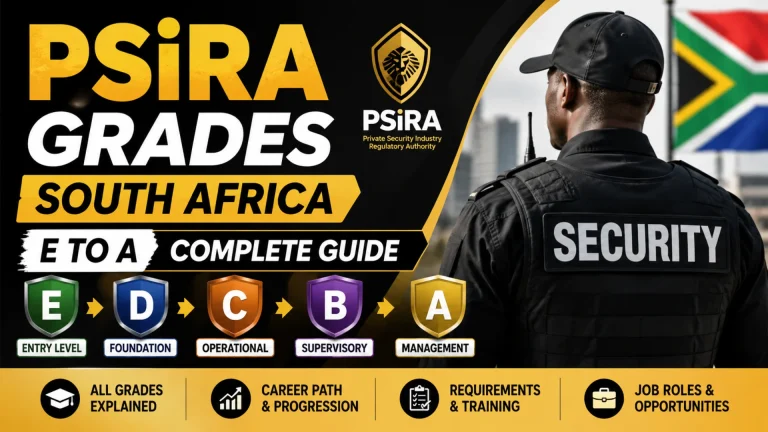
A CCTV course is not a mandatory requirement for basic PSiRA registration. However, you must hold a valid PSiRA security grade, such as Grade C, to work as a control room operator. While PSiRA does not require separate CCTV certification, many employers prefer or require candidates to complete CCTV or surveillance training, especially for roles involving monitoring systems or installing security equipment.
PSiRA CCTV Course Requirements
The general requirements for enrolling in a PSiRA CCTV course include:
- Minimum Age: Applicants must be at least 18 years old.
- Language Skills: You should be able to read, write, and communicate effectively in English.
- PSiRA Qualification: Most training providers require a valid PSiRA Grade C certificate before enrolling in a CCTV or electronic security course.
- Proof of Identity: A valid South African ID is required. Foreign nationals must provide a valid passport along with a certified work permit or other legal residency documentation.
How to Register for a PSiRA CCTV Course
Follow these steps to register for a PSiRA CCTV course in South Africa:
Complete PSiRA Pre-Registration
Since January 2026, new learners must complete pre-registration on the PSiRA digital system before starting security training. Without pre-registration, accredited training providers cannot submit your course records.
Choose an Accredited Training Provider
Enroll only with a PSiRA-accredited training centre. Accredited providers follow the official curriculum and can submit your training results directly to PSiRA after you successfully complete the course.
Submit the Required Documents
Most training centres will ask for:
- Certified copy of your South African ID or passport
- Passport-sized photographs (if required)
- Proof of your previous PSiRA qualification (such as Grade C)
- Proof of payment for the course
- Completed registration form
Pay the Course Fee
Course fees vary by training provider. Confirm what is included, such as study materials, practical training, assessments, and certificate costs, before making payment.
Attend the Training
The CCTV course includes both classroom instruction and practical exercises. You’ll learn how to:
- Operate CCTV surveillance systems
- Monitor control room activities
- Record and report security incidents
- Follow legal and ethical CCTV procedures
- Respond to emergency situations
Complete the Assessment
After finishing the training, you’ll complete the required assessments. Once you pass, the training provider submits your course results to PSiRA through the official system.
PSiRA CCTV Course Price
PSiRA-accredited CCTV and monitoring course fees can vary depending on the training provider, course level, and the type of training included. In South Africa, the cost usually ranges from around R250 to R2,700. Basic CCTV modules are generally cheaper, while complete control room operator training packages cost more because they cover advanced monitoring skills and practical training.
CCTV Course Price Breakdown
- Standalone CCTV / Surveillance Course: Usually costs between R250 and R660. These are short introductory courses that focus on basic CCTV operations and can often be completed within a day.
- CCTV and Control Room Operator Package: Prices generally range from R950 to R1,750. These courses may be combined with additional security training, such as PSiRA Grade B or Grade A-related skills.
- Full CCTV Monitoring and Control Room Training: A more detailed program can cost around R2,700 to R3,000. These courses usually run for 1 to 2 weeks and include practical training on surveillance systems, monitoring procedures, and control room responsibilities.
PSiRA CCTV Course Duration
A PSiRA-accredited CCTV monitoring and operations course usually takes around 1 week to complete, which is approximately 5 training days or 30 hours at most recognized training providers. However, the duration may vary depending on the course structure, as some specialized or intensive technical workshops can be completed within 2 to 3 days.
Key Topics Covered in PSiRA CCTV Course
A CCTV course is designed to improve the skills and understanding required to operate surveillance systems and manage control room responsibilities effectively. The training covers both technical and practical aspects of CCTV monitoring, helping learners develop the abilities needed for professional security operations.
CCTV System Installation and Monitoring
Participants learn how to understand camera placement, basic setup procedures, and effective monitoring techniques. The course explains how CCTV systems are managed and operated to ensure proper surveillance coverage.
Understanding CCTV Technology
Learners are introduced to different types of CCTV cameras, recording systems, software, and operating methods. This knowledge helps them confidently operate and manage various surveillance systems.
Emergency Handling and Response
The course teaches candidates how to respond to emergency situations calmly and professionally. They learn suitable procedures for managing incidents and taking quick action when required.
Access Control System Operations
Participants gain knowledge of access control systems and how they help protect buildings, restricted areas, and important assets. They learn how to manage access securely and follow safety procedures.
Alarm Monitoring and Incident Management
Candidates learn how to identify alarm situations, prepare incident responses, and handle security events effectively according to workplace procedures.
CCTV Footage Review and Analysis
The training covers methods for reviewing recorded footage, identifying important details, and extracting useful information during investigations.
Understanding Behaviour and Suspicious Activities
Learners are trained to recognize body language, unusual behaviour, and warning signs that may indicate potential security threats.
Movement Patterns and Crime Prevention
The course helps participants understand suspicious movements and activity patterns so they can identify possible risks and take preventive action.
Along with technical CCTV skills, the course also covers important legal and professional topics, including privacy regulations, data protection, security procedures, and appropriate communication when dealing with the public.
PSiRA CCTV Course Near Me
Dynamic Security Training
Ukhuselo Training Academy & Security CC
The South African Security Academy
Safety and Security Sector Education and Training Authority
Wise Guy Security Training Academy
Tips to Pass the PSiRA CCTV Course Successfully
- Attend all training sessions regularly and avoid missing important practical lessons.
- Pay close attention to CCTV system basics, camera types, recording equipment, and monitoring procedures.
- Practice operating CCTV control room equipment to build confidence before assessments.
- Learn how to identify suspicious activities and respond correctly to security incidents.
- Revise key topics such as surveillance techniques, incident reporting, and access control procedures.
- Take notes during classes and review them frequently before the final assessment.
- Participate in practical exercises because CCTV training focuses on real-world monitoring skills.
- Improve your computer skills, as modern CCTV systems often require basic software and system navigation knowledge.
- Ask your instructor questions whenever you do not understand a topic.
- Complete mock tests or practice questions to become familiar with the assessment format.
- Stay updated with PSiRA training requirements and ensure your course is completed through an accredited training provider.
- Maintain a professional attitude, punctuality, and discipline throughout the course.
Conclusion
Completing a PSiRA CCTV Course can help security professionals build essential surveillance and control room skills while improving their career opportunities in South Africa’s private security industry. By choosing an accredited training provider and gaining practical knowledge of CCTV operations, incident handling, and security procedures, learners can meet employer expectations and develop the confidence needed to perform effectively in CCTV monitoring roles.
zukiswa wanner
I'm Zukiswa Wanner, the administrator of PSiRA Verification. I share accurate, practical guidance on PSiRA registration, verification, renewals, and compliance to help South Africans confidently access trusted information.