PSiRA Training: Requirements, Fees, Grades & Duration Guide


 July 26, 2026 4:43 am
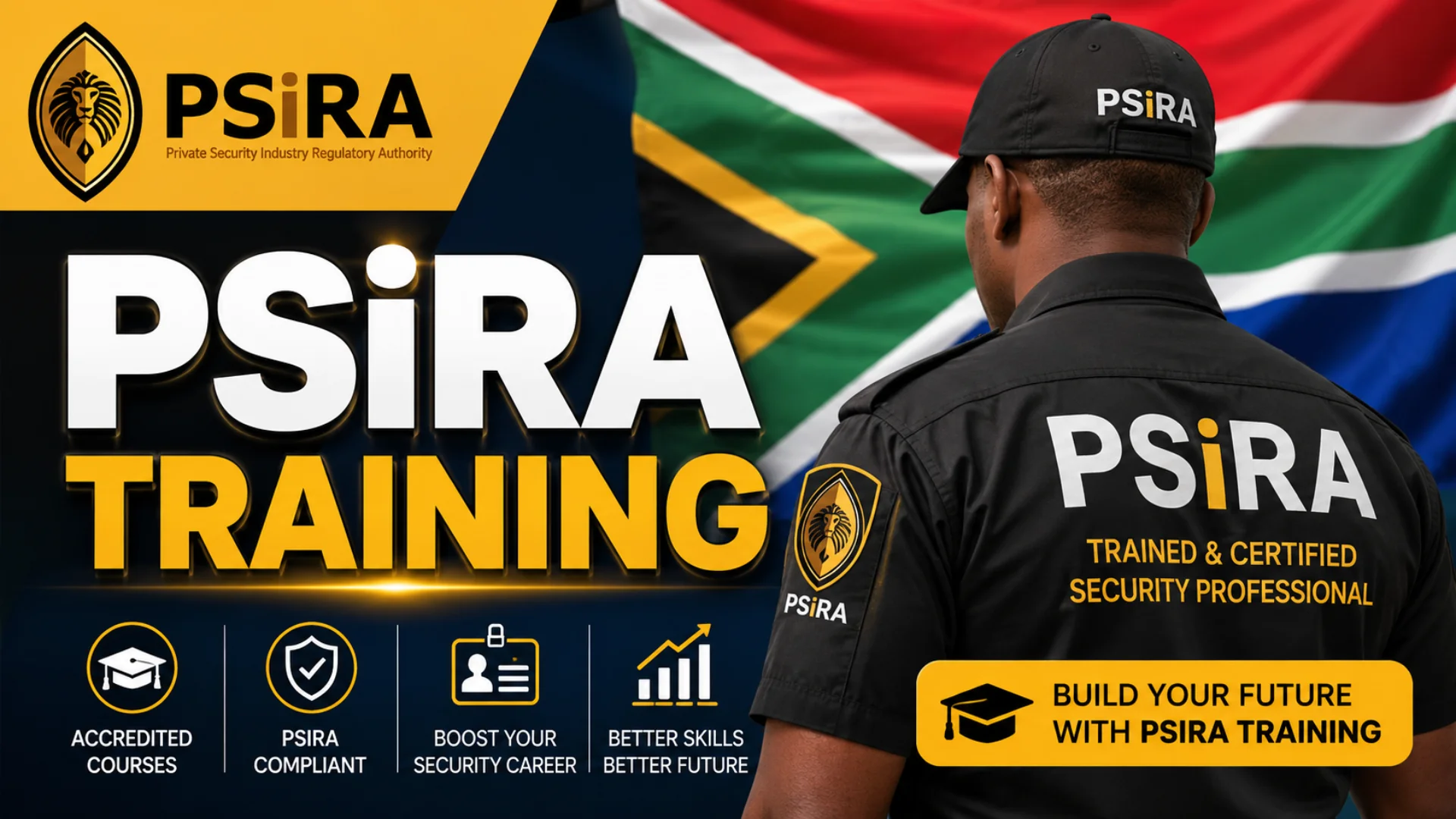
Starting a career in South Africa’s private security industry begins with the right training. PSiRA training equips aspiring security officers with the practical skills and legal knowledge required to perform their duties professionally and meet industry standards. Whether you’re applying for your first security job or advancing to a higher grade, completing an accredited training course is essential.
This guide explains PSiRA training requirements, available grades, course fees, duration, and how to choose a registered training provider.
Why Is PSiRA Training Important?
PSiRA training is important because it equips security officers with the knowledge, practical skills, and legal understanding required to work professionally in South Africa’s private security industry. Completing accredited PSiRA training is a mandatory requirement for most individuals who want to register with PSiRA and work as a licensed security guard.
Here are the main reasons why PSiRA training matters:
- Meets Legal Requirements: PSiRA-approved training is required before applying for registration as a security officer in South Africa.
- Improves Job Opportunities: Most security companies only hire candidates who have completed PSiRA training and hold a valid PSiRA registration.
- Builds Essential Security Skills: Training covers access control, patrolling, emergency response, report writing, communication, and conflict management.
- Promotes Professionalism: Security officers learn ethical conduct, customer service, and how to perform their duties responsibly.
- Enhances Public Safety: Properly trained guards are better prepared to protect people, property, and assets while responding effectively to incidents.
- Supports Career Growth: Completing higher PSiRA grades (such as Grades C, B, and A) can qualify you for supervisory and management positions with better salaries.
What Subjects Are Covered During PSiRA Training?
During PSiRA training, students learn both the theoretical knowledge and practical skills needed to work legally and professionally in South Africa’s private security industry. The exact subjects depend on the grade (E, D, C, B, or A), but most accredited training providers cover the following core topics.
| Subject | What You’ll Learn |
|---|---|
| Security Laws and Regulations | The Private Security Industry Regulation Act, legal powers, citizens’ rights, arrests, and professional conduct. |
| Roles and Duties of a Security Officer | Responsibilities, ethics, appearance, discipline, and daily job expectations. |
| Access Control | Checking visitors, controlling entry and exit points, searching procedures, and record-keeping. |
| Guarding and Patrolling | Patrol techniques, observation skills, identifying suspicious activity, and incident prevention. |
| Public Relations and Communication | Customer service, conflict resolution, report writing, and radio/telephone communication. |
| Occupational Health and Safety | Workplace safety, hazard identification, and emergency procedures. |
| Fire Prevention and Firefighting | Fire risks, extinguisher use, evacuation procedures, and emergency response. |
| Self-Defence and Minimum Force | Personal safety, lawful use of force, and defensive techniques. |
| Observation and Incident Reporting | Recording incidents accurately, writing occurrence reports, and maintaining pocketbooks. |
| Bomb and Firearm Awareness | Recognizing potential threats and following correct reporting procedures without handling dangerous items. |
| Industrial Relations | Basic workplace rights, employee responsibilities, and professional behavior. |
PSiRA Training Near Me
If you’re searching for PSiRA training near you, check the PDF below to find nearby training providers.
PSiRA Training Requirements
- Age Requirement: Applicants must be at least 18 years old.
- Citizenship Status: You must be a South African citizen or hold permanent resident status.
- Background Check: Applicants are required to pass a criminal record screening, have no disqualifying convictions, and provide a complete set of fingerprints as part of the registration process.
How to Register for PSiRA Training
Step 1: Choose an Accredited Training Provider
Only register with a PSiRA-accredited training centre. Training completed at an unaccredited provider may not be accepted for registration You can search for approved training providers through the official PSiRA portal.
Step 2: Select Your Training Grade
Choose the course that matches your career goals.
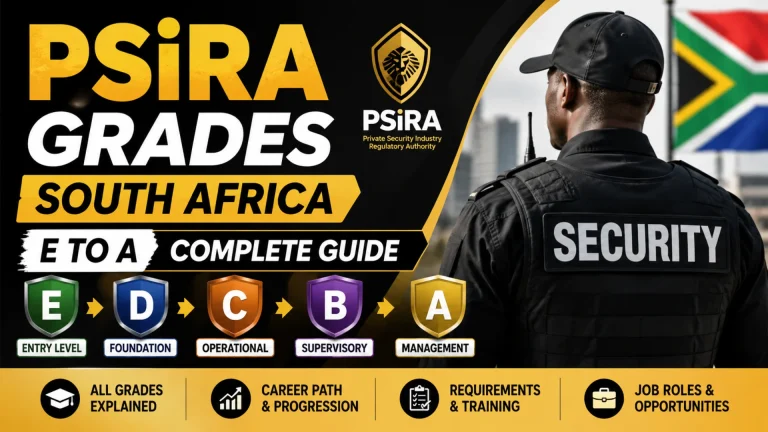
| Grade | Suitable For |
|---|---|
| Grade E | Entry-level security officers |
| Grade D | Access control and guarding duties |
| Grade C | Senior security officers and supervisors |
| Grade B | Security supervisors and shift leaders |
| Grade A | Security managers and senior management |
Many students begin with Grades E, D, and C, which are commonly required for general security jobs.
Step 4: Submit Your Documents
Most training centres will ask for:
- South African ID or permanent residence permit
- Passport-sized photographs (if required)
- Proof of payment
- Completed application form
Some providers may request additional documents, so it’s best to confirm with the training centre before enrolling.
Step 5: Pay the Training Fees
Training fees vary depending on:
- The grade you choose
- The training provider
- Whether you enroll in a single grade or a combined package
Ask the training provider for the latest course fees before registering.
Step 6: Attend and Complete the Course
Training includes both classroom instruction and practical assessments. Topics generally cover:
- Security laws and ethics
- Access control
- Patrolling
- Emergency procedures
- Communication skills
- Incident reporting
- Fire safety
After successfully completing the course, you’ll receive proof of training from the accredited provider.
Step 7: Apply for PSiRA Registration
After completing your training, apply for registration through the official PSiRA Digital Services Portal or visit a PSiRA office.
For first-time applicants, the online process includes:
- Select a security officer.
- Click Register Now.
- Confirm that you meet the eligibility requirements.
- Enter your personal details.
- Verify your email and mobile number.
- Create your login credentials.
- Pay the applicable registration fee.
- Complete the remaining registration steps as instructed.
PSiRA Training Duration South Africa
PSIRA security training is completed over 5 days for each grade. If you enroll in the standard entry-level program covering Grades E, D, and C, the full training typically takes 15 days, or approximately three weeks, to complete.
How Much is PSiRA Training
The cost of PSiRA training depends on the grade you choose, the training provider, and whether the package includes registration assistance. Most single-grade courses cost between R950 and R1,500, while combination packages can save you money if you’re completing multiple grades at once. Keep in mind that these prices usually do not include official PSiRA registration or board fees.
| Training Course | Estimated Cost | Typical Duration |
|---|---|---|
| Grade E | R950 – R1,200 | Around 5 days |
| Grade D | R950 – R1,000 | Around 5 days |
| Grade C | R950 – R1,120 | Around 5 days |
| Grade B | R1,090 – R1,380 | Varies by provider |
| Grade A | R1,400 – R1,500 | Varies by provider |
Combination & Specialized Training Costs
If you plan to complete several grades, many accredited training centers offer discounted packages. These options are often more affordable than paying for each course separately.
| Course | Estimated Cost |
|---|---|
| Grade E + D + C Package | R1,800 – R2,500 |
| Cash-in-Transit (CIT) | R1,090 – R1,400 |
| Armed Response | Around R1,400 |
| Special Events Security | Around R1,250 |
Before enrolling, it’s worth comparing a few accredited PSiRA training centres. Some providers include extras such as study materials, practical assessments, or registration support, while others charge separately for these services. Always confirm exactly what’s included in the quoted price before making payment.
PSiRA Training Course Status Verification
You can confirm the status of a PSiRA training course or training provider online in several ways. Log in to the e-PSiRA Digital Services Portal to review your training records, use the PSiRA User Verification Tool to verify registration details, or search the official PSiRA Accredited Training Providers List to ensure the training provider is approved by PSiRA.
PSiRA Training Pending Meaning
“PSiRA Training Pending” means PSiRA has not yet received or verified your security training certificate. Before your registration can move forward, you must complete training at an accredited training center and ensure your training results or proof of completion is successfully submitted to PSiRA for verification.
PSiRA Dog Handler Training
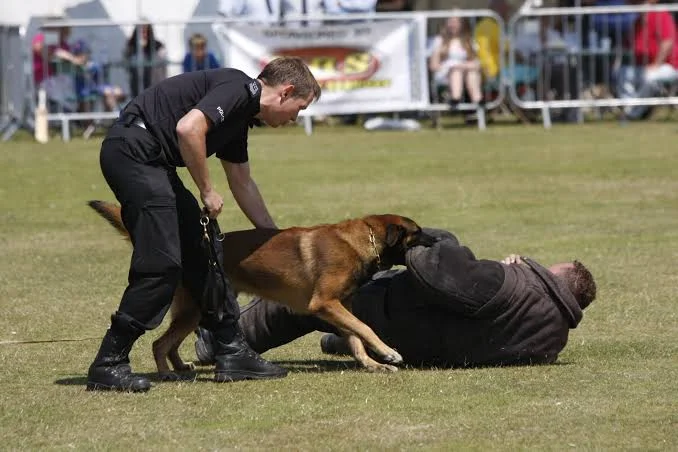
PSiRA dog handler training prepares security officers to work safely and effectively with trained security dogs. The course is offered by accredited training providers and is divided into five progressive levels, from DH1 to DH5. Each level builds practical handling skills and prepares learners for more advanced security duties.
- DH1: Covers basic dog obedience, leash handling, aggression control, and essential canine care.
- DH2: Focuses on advanced obedience and handling protection dogs in public or crowded environments. This is the minimum level for many entry-level dog handling roles.
- DH3: Teaches remote obedience, distance control, and command handling from around 5–10 meters.
- DH4: Includes off-leash control, advanced patrol techniques, and suspect apprehension training.
- DH5: Provides specialist training in tracking, search operations, and detecting substances such as narcotics or explosives.
Is Lakhe Training Academy Legit PSiRA
Yes. Lakhe Training Academy (also known as Lakhe Training College) is listed as a PSiRA-accredited training provider. This means the academy is officially recognized to offer approved security training courses that meet PSiRA’s requirements for security officer registration in South Africa.
Tips to Pass Your PSiRA Training Successfully
- Attend All Training Classes Regularly: Missing lessons can make it difficult to understand important security procedures, laws, and practical duties covered during the course.
- Study PSiRA Rules and Security Laws: Pay close attention to topics like legal responsibilities, the role of security officers, and professional conduct because these areas are important parts of security training.
- Take Practical Exercises Seriously: Participate actively in activities such as access control, patrol procedures, emergency response, and report writing to build confidence.
- Practice Report Writing Skills: Learn how to write clear and accurate incident reports, as proper documentation is a key responsibility of security officers.
- Ask Questions During Training: If you do not understand a topic, ask your instructor for clarification instead of memorizing information without understanding it.
- Revise Before Assessments: Review your notes, training materials, and important definitions regularly to prepare for theory and practical assessments.
- Maintain Professional Discipline: Arrive on time, follow instructions, dress appropriately, and show the attitude expected from a professional security officer.
- Choose an Accredited Training Provider: Make sure your course is completed through a PSiRA-accredited training centre so your training meets official industry standards.
FAQs About PSiRA Training
Conclusion
PSiRA training is the foundation for building a successful career in South Africa’s private security industry. By completing accredited training, learners gain essential skills, legal knowledge, and professional confidence required for security work. Whether starting as an entry-level officer or aiming for higher positions, choosing the right training provider and completing the required grades can open better career opportunities.
zukiswa wanner
I'm Zukiswa Wanner, the administrator of PSiRA Verification. I share accurate, practical guidance on PSiRA registration, verification, renewals, and compliance to help South Africans confidently access trusted information.